
Napoleon and the valorization of the Ancient: museums and publications
The rediscovery of ancient sites raises the question of the conservation of vestiges
The reunion of antiques will be streamlined in institutions: the Capitol Museum in Rome is the first of them. But none other than Napoleon had given such magnitude to the valorization of these works. It will build on this past to build a new language.
The invention of art history
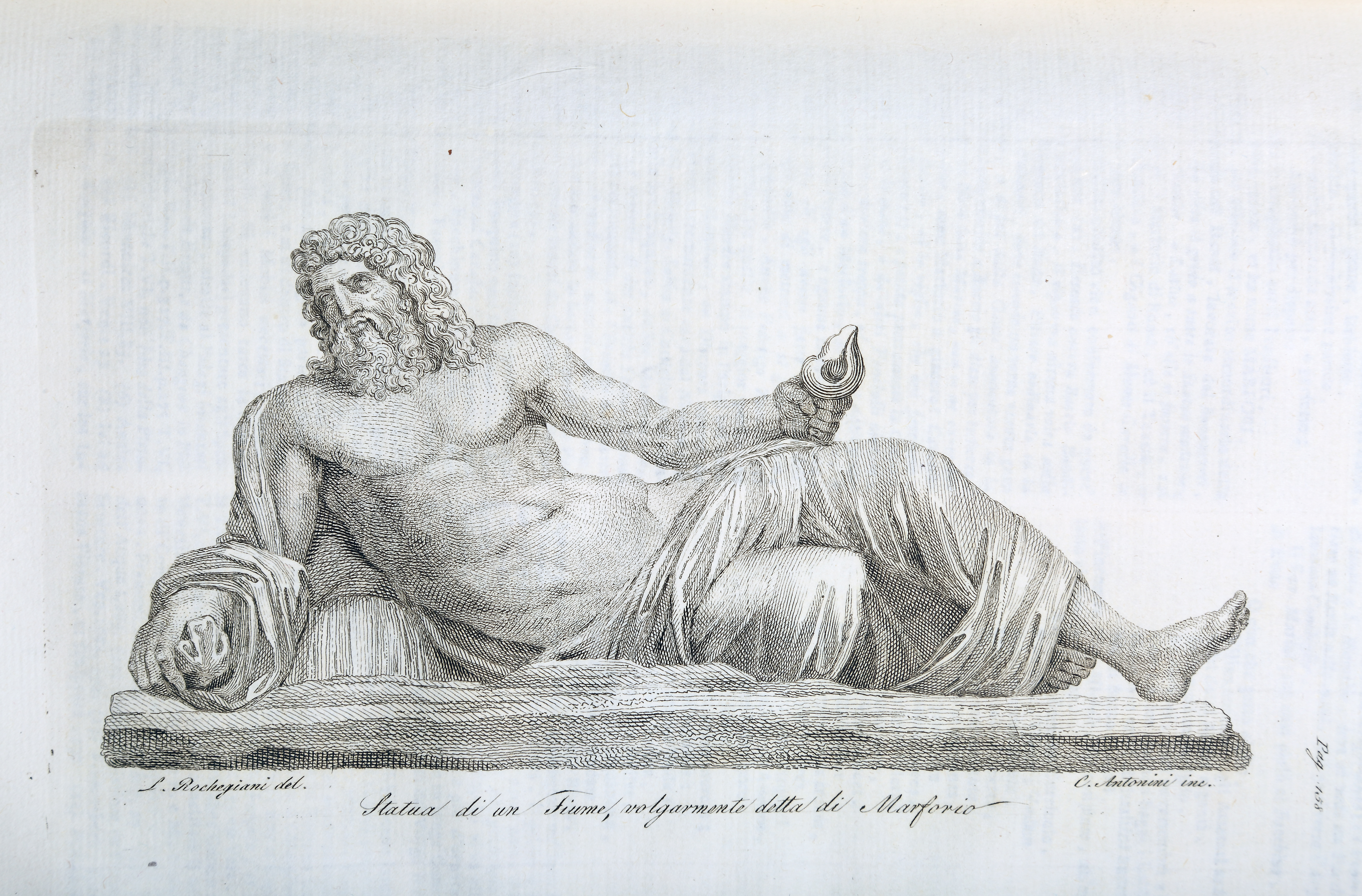
With the excavations of Herculaneum and Pompeii was born the development of practices allowing to preserve the antiques and to exhibit them. Scientists such as Giovanni Battista Visconti or Francesco Cancellieri will study the remains and compare them with texts from antiquity.
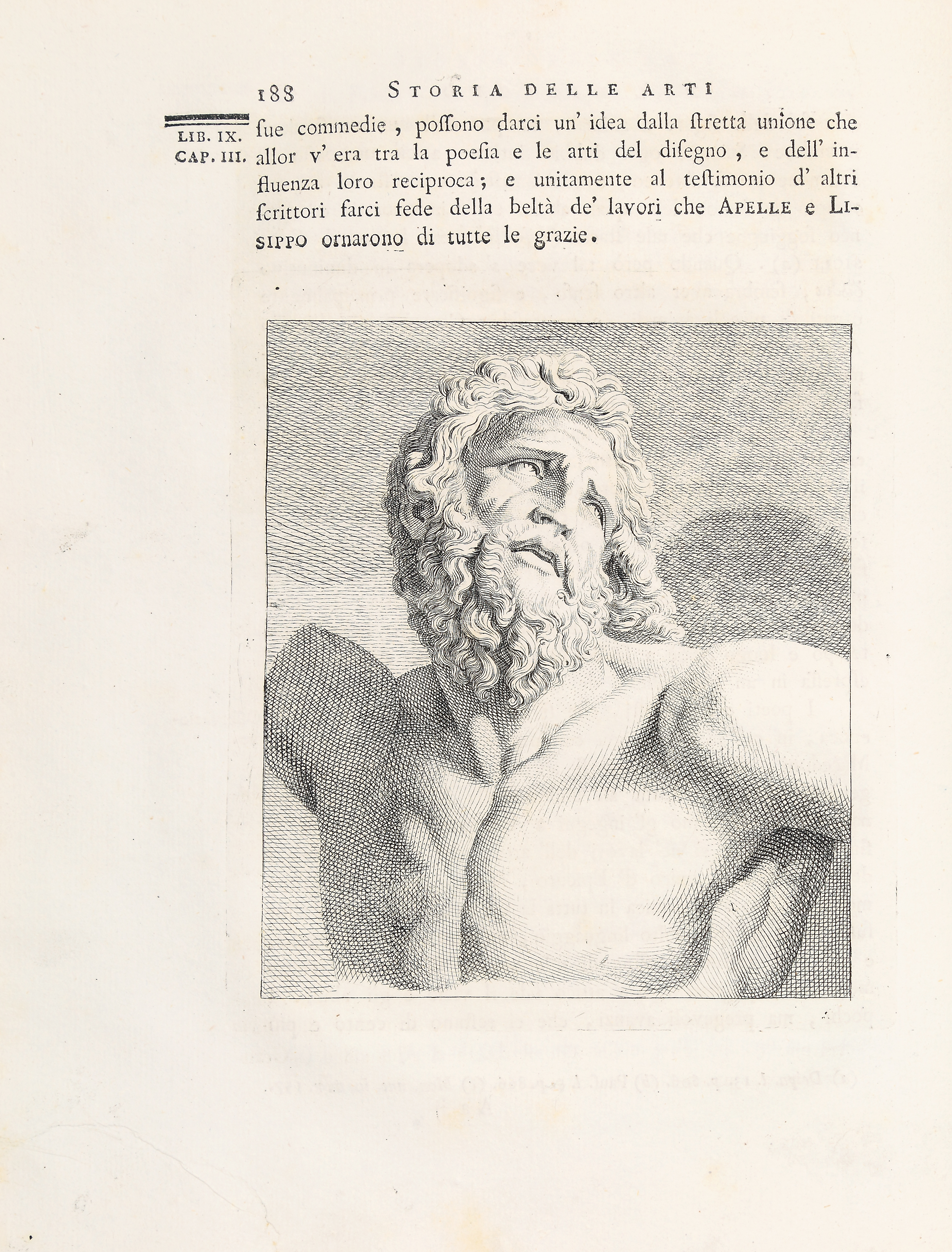
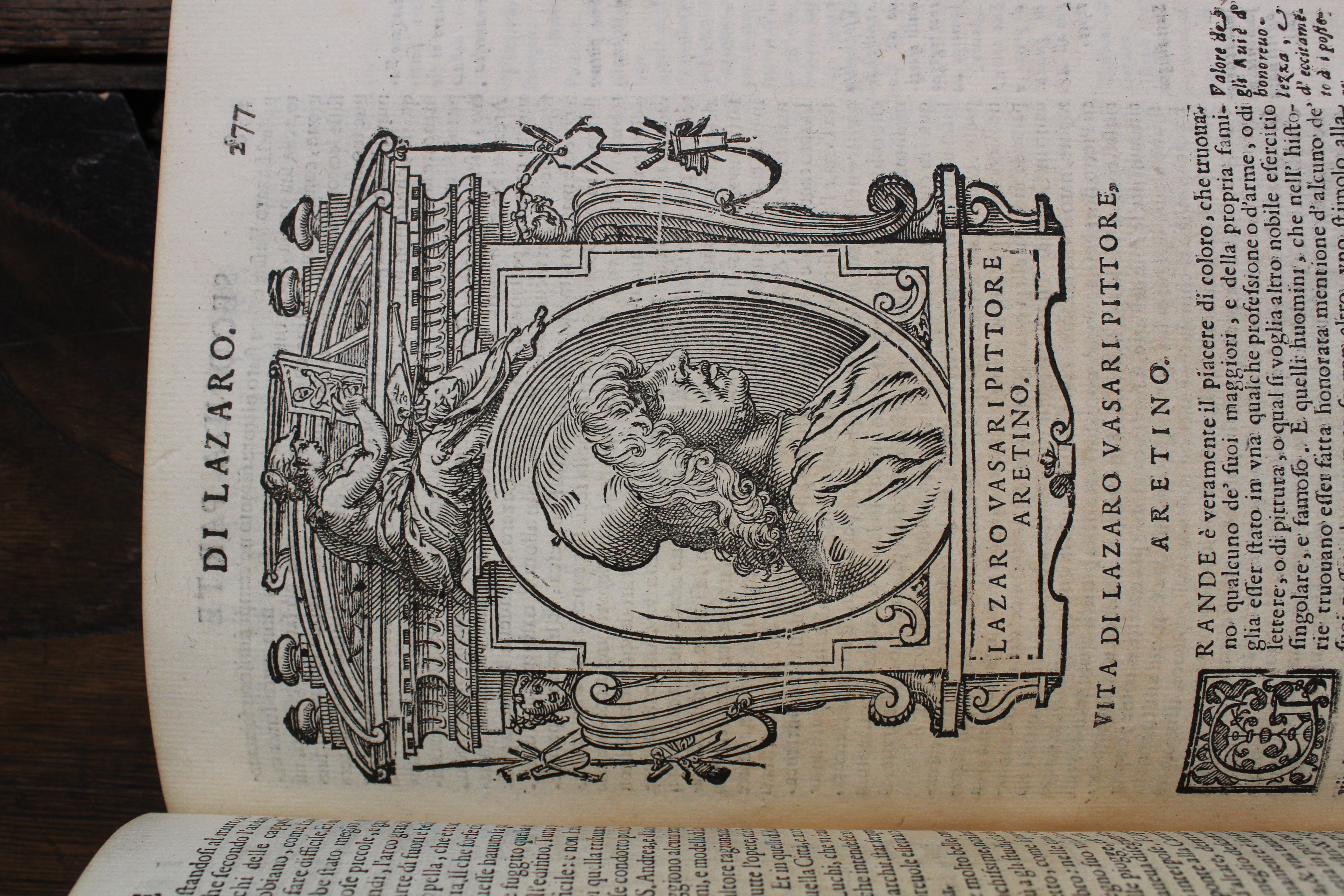
From this research, Winckelmann invents the history of art, which he substitutes for the « lives » of artists as Giorgio Vasari had imagined them. He was the first to ask that restorations be reported so that the sculptor's art was not confused with that of the restorer.
At that time, we publish a lot: catalogs of museums, prestigious collections, and we compare the works with each other, with the texts that described them, like those of Pliny. We are beginning to have a global vision of ancient culture.
The Paris compétition with Rome and Italy
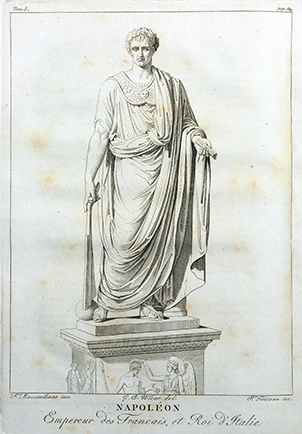
Napoleon will make the mastery of ancient heritage the ideological instruments of his power. He wants to legitimize himself as the heir of Greek civilization and the Roman Empire.
By symbolically erecting the City of Rome as the second capital of the French Empire, by naming his son and heir king of Rome, by taking over the Roman imperial symbolism (eagles, lightning, laurels, purple, arches of triumph…), he will build a clever historical and ideological edifice that borrows from the Roman Empire, the Carolingian Empire and the French monarchical tradition, but also from the achievements of the Revolution.
The ancient heritage will be the visible issue of this confrontation: the Vatican collections will bear the brunt. Napoleon will transport Rome's most famous antiques to the Louvre, which becomes the Napoleon Museum. He even brought to Paris the very learned curator of the Capitol Museum: Ennio-Quirinio Visconti, it's a real Mercato!
the birth of the museum
Etymologically, the word museum comes from the Greek Museion, the name of the temple dedicated to the Museums built on the Hélicon hill in Athens.
The « modern » museum Born in Rome on December 15, 1471, when Sixtus IV deposited a collection of Antiques that belonged to the papacy at the Capitol.
The missions of this first museum are to allow the dissemination of its collections. But this museum is still an elitist institution, aesthetic and not scientific, run by scholarly amateurs and not yet by professional curators.
In 1733, Pope Clement XII Corsini bought the collection of Cardinal Albani to present it at the Capitol Museum which will be redeveloped for the occasion, with a more educational museography.

Gallery


In France, it was not until the French Revolution that the idea of a public museum emerged, appearing as the savior of religious, monarchical and feudal works. As early as 1790, the Monuments Commission was created, codifying the first instructions of the conservation and inventory rules.
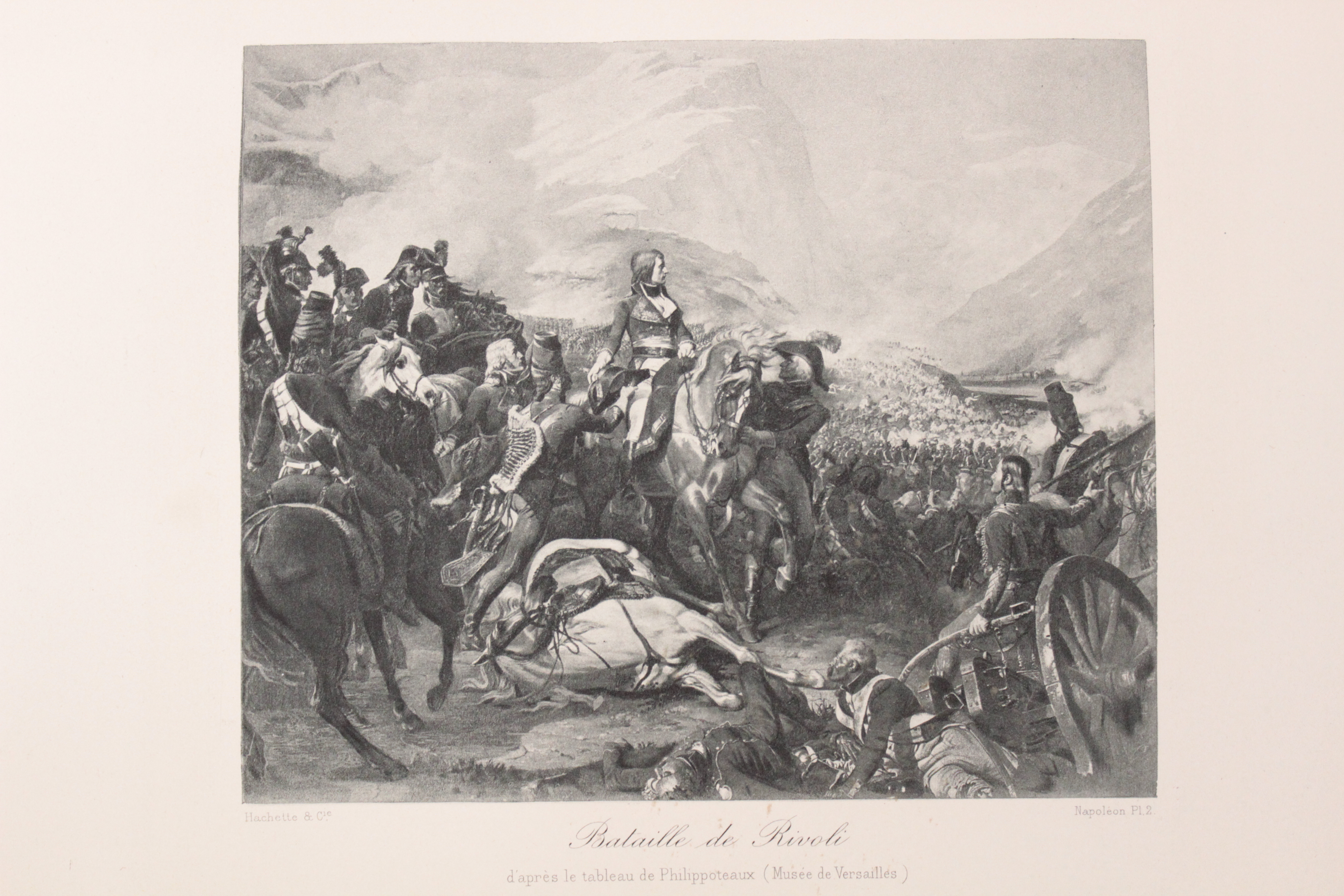
Then, it is thanks to its military victories that France is enriched with many works of art. If Napoleon's name remains attached to this policy of plunder, he is not the initiator. It was the National Convention which, as early as 1794, proposed this solution to the vanquished in order to pay their war indemnities.
General Bonaparte continued this policy during the Italian campaign. Having become First Consul and then Emperor, he multiplied the artistic requisitions throughout Europe and ordered works at the Louvre in order to welcome and present these treasures with dignity.
Napoléon and the Museums: Napoleon Museum
« The Louvre will never be a convenient home. I look at it as a parade palace in which you have to gather all that you have of richness in objects of art and science, such as statues, bronzes, paintings, libraries, archives, medals... »NAPOLEON Ist
The creation of the Louvre Museum was decided in 1795. Auguste Cheval de Saint-Hubert, dit Hubert, the first architect of the Museum, had designed a project approved in 1797, taken over by his successor Jean-Arnaud Raymond. The rooms of the Museum of the Ancients occupied the former summer apartments of Anne of Austria, under the gallery of Apollo.
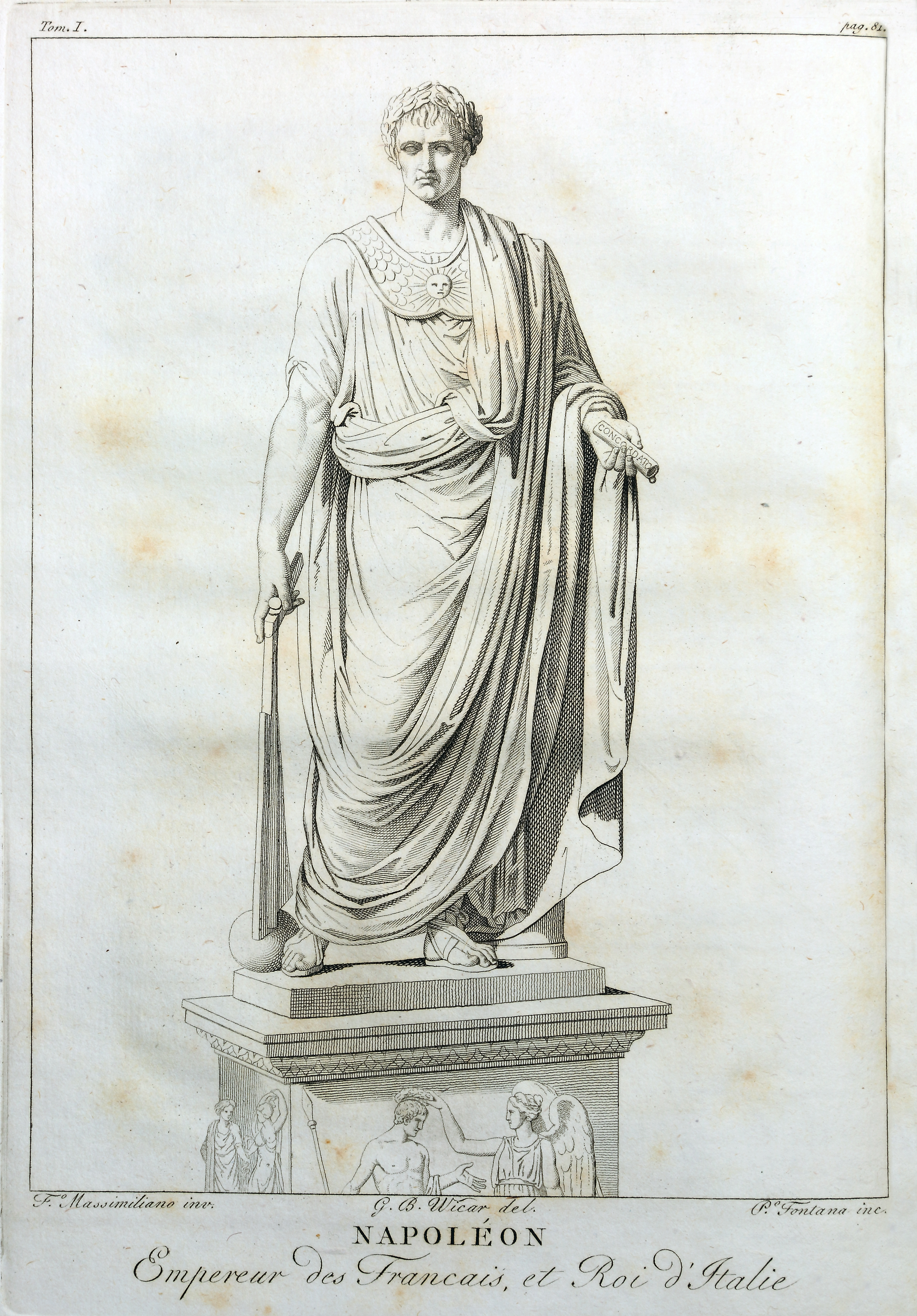
On November 9, 1800, the Musée des Antiques du Louvre opened its doors to the public, and a year later, Napoleon inaugurated the installation of the Apollo Belvedere at the Louvre. Then, in 1803, the central museum of the arts became the Napoleon Museum. Vivant Denon is appointed director of the Museum, Dufourny curator of paintings, and Ennio-Quirinio Visconti curator of antiquities.
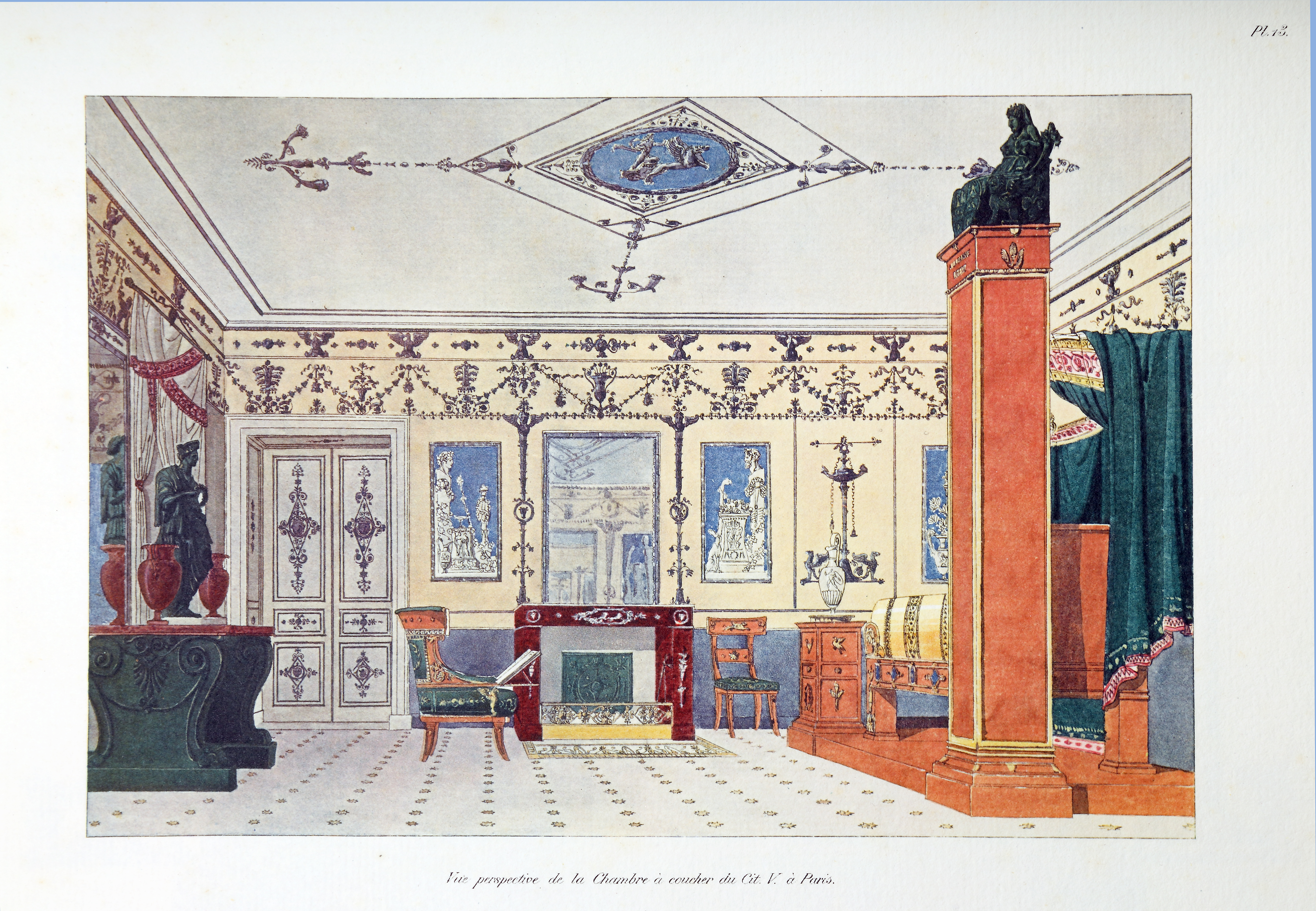
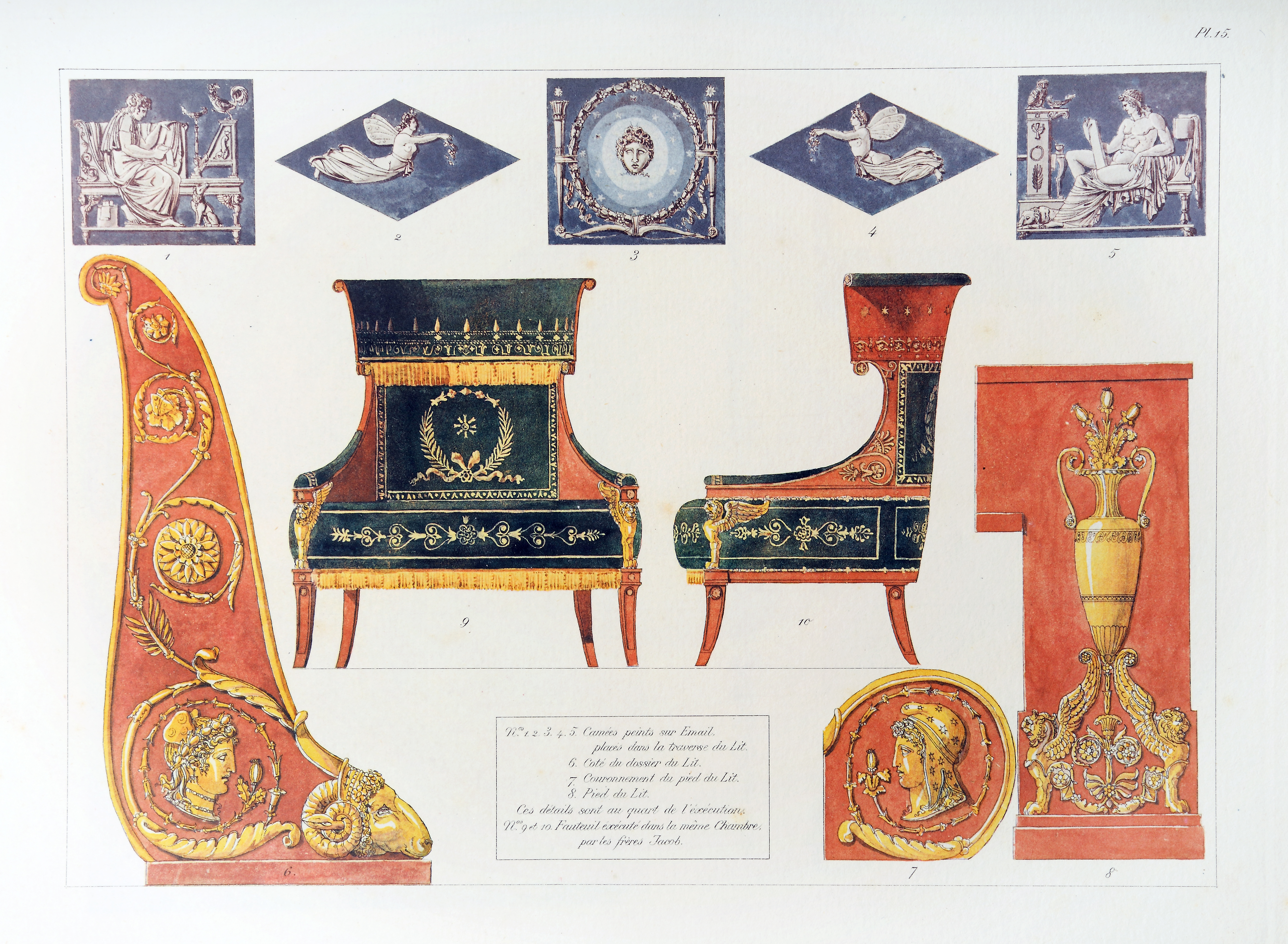
But the Louvre will be much more than the collection of the French sovereign. The new museum project is to make it the Museum of Arts of all Europe.
Vivant Denon gives shape to the new institution, ensuring the presentation of the collections. The architects Percier and Fontaine are responsible for the construction of a museum of the Ancients, the construction of a staircase and a vestibule leading to the Salon Carré (which remains today under the name of the Percier and Fontaine rooms) and the beginning of the transformations of the Grande Galerie. In 1805, the majestic entrance to the Napoleon Museum was topped by a colossal bust of the Emperor by Bartolini.
Vidéo : Johann Joachim Winckelmann
Born in 1717 in Germany and from a modest background, Johann Joachim Winckelmann forged a solid culture through his studies. In 1748, he began as Count Henrich Brünau's librarian in Saxony. In 1755, in Dresden, he published his first book, Reflections on the imitation of Greek artists in painting and sculpture. He then obtained a scholarship from Augustus III, the elector of Saxony and King of Poland, to enable him to continue his research in Italy. In Rome, Winckelmann was appointed librarian to Cardinal Albani in 1758. He visited the private collections (Farnese, Barberini, Borghese, etc.) and traveled to other cities in Italy, notably to Naples as early as 1758, to see the excavations of Pompeii and Herculaneum. He was then promoted superintendent of antiquities, and finally librarian and scripter of the Vatican library. Through these various positions, his travels and his research, Winckelmann wrote many books. In 1762, he published a « Description of the stones engraved by the late Baron de Stosch », « Remarks on the architecture of the Ancients », then in 1763, a « Dissertation on the ability to feel the beautiful in art and on the penetration of it ». All these works served as the basis for his masterpiece « History of Art among the Ancients », published in 1764. He defines Greek art as being of a « noble simplicity and calm grandeur ». Winckelmann is considered the founder of art history, which he substitutes for the « lives » of artists as Giorgio Vasari had imagined them.

